Formerly pro-Kremlin blogger sent from pre-trial detention to psychiatric hospital

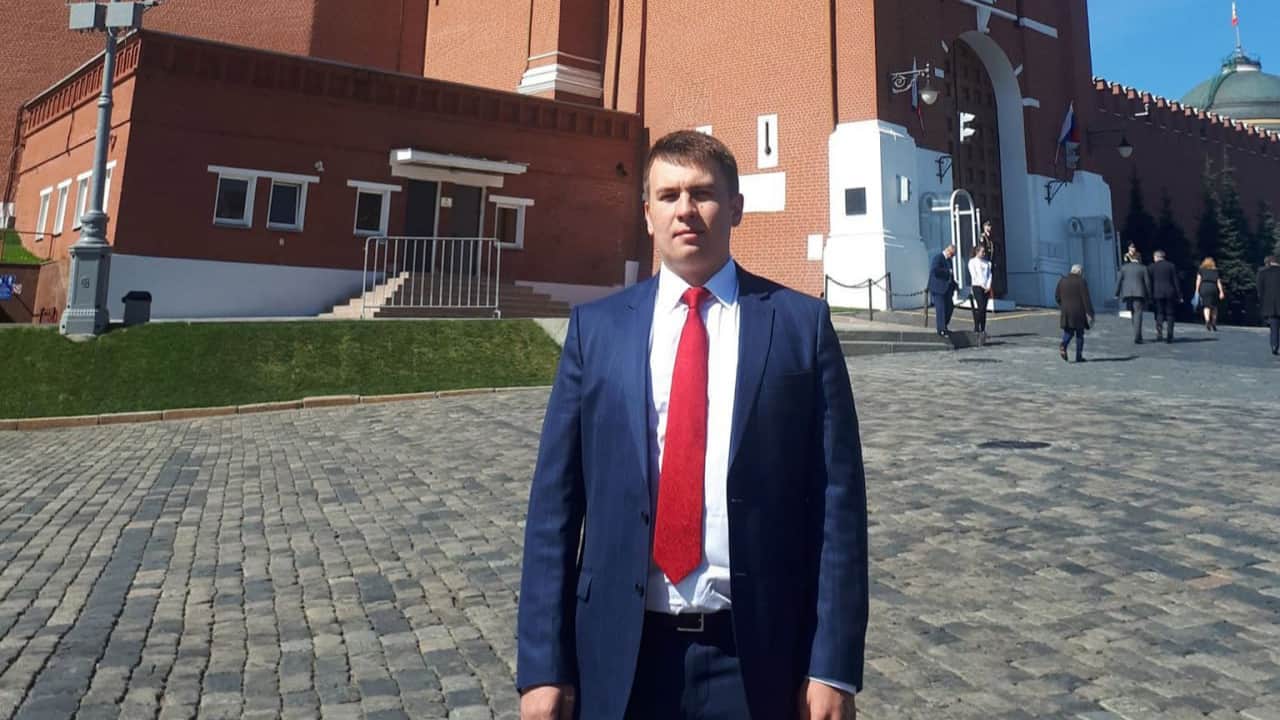
Ilya Remeslo, a formerly pro-Putin blogger who published a manifesto denouncing the Russian leader in March, and who was recently detained, has been transferred to a psychiatric hospital.
Russian state news agency TASS reported the transfer on Sunday evening, citing an unnamed source who said Remeslo had been sent to Moscow's Serbsky State Scientific Centre for Social and Forensic Psychiatry.
Hours earlier, Remeslo's lawyer, Sergey Badamshin, had posted a photo from outside the facility, writing that he'd “had to stop by”.
“A person who brought a care package for Ilya Remeslo had their passport confiscated for an hour and a half and was told, 'You'll get it back by the end of the workday.' Meanwhile, other visitors had their passports returned within minutes. This one was only returned after we threatened to call the police to the Serbsky Institute," the lawyer wrote.
Until March 2026, Remeslo was an outspoken pro-Kremlin blogger who had worked for RT and frequently attacked the late opposition leader Alexey Navalny. He later admitted to receiving funding from the Presidential Administration for his pro-Kremlin commentary — on average, he said, 700,000 rubles (€7,800) a month.
Then, on 17 March, Remeslo abruptly reversed course, publishing a manifesto on Telegram titled “Five Reasons Why I Stopped Supporting Vladimir Putin.” Within days, he was reported to have been sent to a psychiatric hospital, where he remained for 30 days. Several months later, in mid-July, he was detained on charges of spreading “fake news” about the Russian army.
Badamshin did not say why Remeslo had been sent to the institute in Moscow, but the move may be linked to a diagnosis Remeslo received during his hospital stay back in March. He has not publicly disclosed a diagnosis.
Under Russia's Criminal Procedure Code, a defendant may be ordered to undergo a forensic psychiatric evaluation if investigators have reason to question their criminal responsibility. A resolution from the Plenum of Russia's Supreme Court holds that an existing psychiatric diagnosis can itself be grounds for raising such doubts.