NATO announces new arms deals as Europe seeks to show Trump and Putin it’s investing in defence

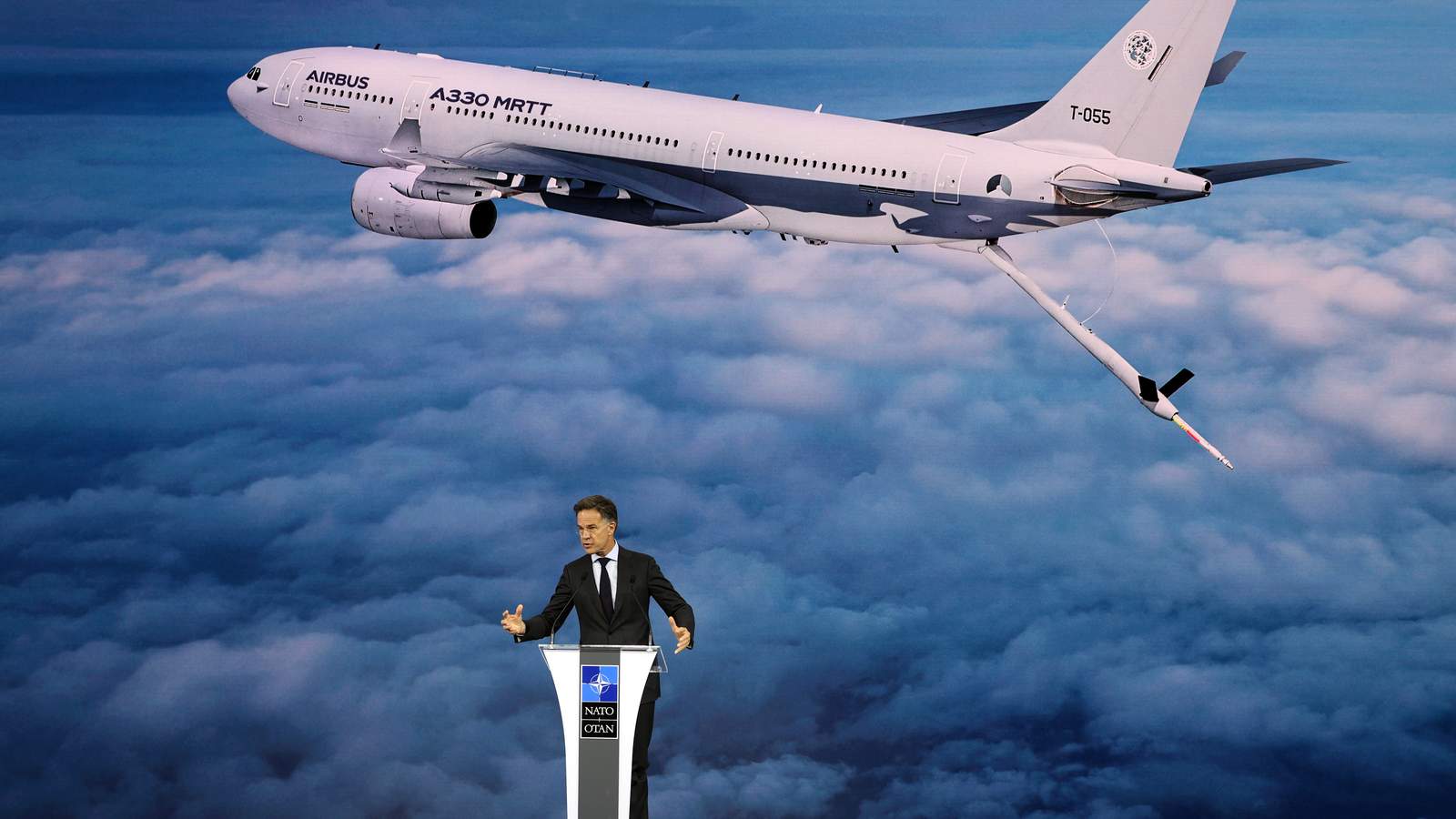
NATO Secretary General Mark Rutte announced a number of new international defence investments by the Alliance on the first day of its 2026 summit in Ankara on Tuesday.
The new purchases include a new Airbus air-to-air refueling aircraft, sponsored jointly by nine European countries; a military transport aircraft, sponsored by six European countries and Türkiye; up to five US-made Triton surveillance drones, sponsored by four European countries; and up to 10 GlobalEye surveillance aircraft made by the Swedish firm Saab.
Rutte also announced that NATO will spend more than $40 billion in counter-drone capabilities over the next five years.
The announcements came as NATO seeks to project unity and stability to its adversaries amid Washington’s push for European members to foot a bigger share of the bill for their defence. Last month, Germany’s army chief, Lieutenant General Christian Freuding, warned that Russia could be capable of invading a NATO member country by 2029.
The Ankara event is widely understood as European allies’ chance to show US President Donald Trump that they have taken concrete steps towards the target of spending 5% of GDP on defence — including 1.5% on broader “security-related spending” — that the Alliance set at last year’s Summit in the Hague.
At a press conference previewing the Summit on Monday, Rutte said that NATO’s European member states and Canada are now spending an average of 4% of their GDP on defence and security.
Rutte also announced that NATO will spend more than $40 billion in counter-drone capabilities over the next five years.
The new GlobalEye systems will replace the US-made Boeing aircraft NATO has been relying on for decades. Trump has repeatedly urged European countries to invest in US-made equipment, even as he has called for them to decrease their reliance on Washington for defence. Rutte emphasised in his announcement that the Swedish technology was made “with essential contributions from US industries”.
US officials have continued to speak derisively about the 77-year-old alliance in recent weeks, with Defense Secretary Pete Hegseth calling it a “paper tiger” last month. Donald Trump, who has repeatedly cut his attendance of international summits short in the past, said that he agreed to attend this one “because of [Turkish President Recep Tayyip] Erdoğan,” whom he called “a friend” and “a respected leader”.