Leaping to freedom
How one conscientious objector fled conscription in Russia by jumping from a moving train
Soviet citizens desperate to escape the restrictions of life under communism were once forced to take extreme measures to flee its vice-like grip for the West. Whether they opted to jump ship, go “missing” while on a guided tour, or even jump off a moving train transiting a foreign land, each option carried it own risk.
When the military recruitment office barred Daniil Mukhametov from leaving the country due to his repeated failure to attend meetings to discuss his compulsory military service, he revived this dubious Soviet tradition and took the radical decision to jump off a train as it transited Lithuania between Russia and its Baltic exclave Kaliningrad, and from there, to claim political asylum in Europe.
When Russia launched its full-scale invasion of Ukraine in February 2022, Mukhametov was 17 and living with his parents in the city of Kolomna, outside Moscow. Now aged 22, he currently lives in a centre for asylum seekers in the French city of Strasbourg, having been sent there by the French authorities six months ago.
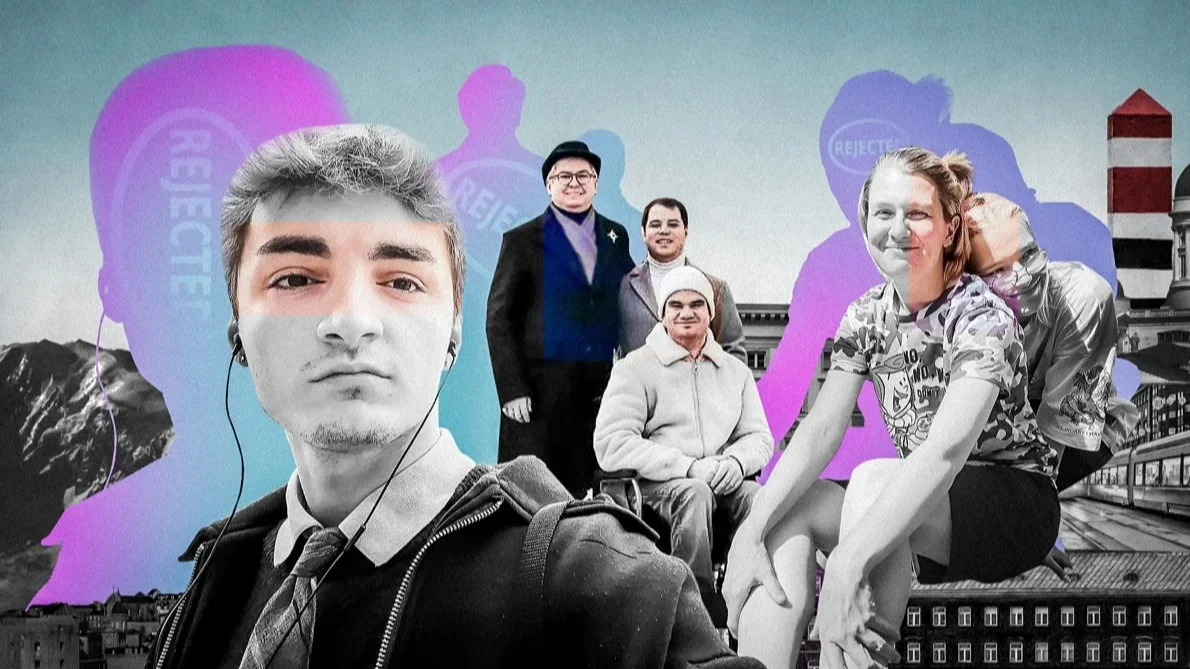
When I meet him, he finds himself in a state of protracted legal limbo, and says that he has no idea what will happen to him next. Should he be sent back to Lithuania, where he first entered the EU, he runs the risk of being deported to Russia.
Following a court hearing his case in Strasbourg last week, Mukhametov expects to hear a decision on his fate in the coming weeks. Under the Dublin Regulation, EU asylum claims must be considered in the country the asylum seeker first entered, though exceptions can be made in cases where that would place the applicant in danger.
This was precisely the argument Mukhametov and his lawyer put forward in court, arguing that he should not be returned to a country that routinely repatriates Russians seeking political asylum. “I prepared myself and braced myself for the fact that this was simply a bureaucratic procedure I had to go through,” he says of the experience.
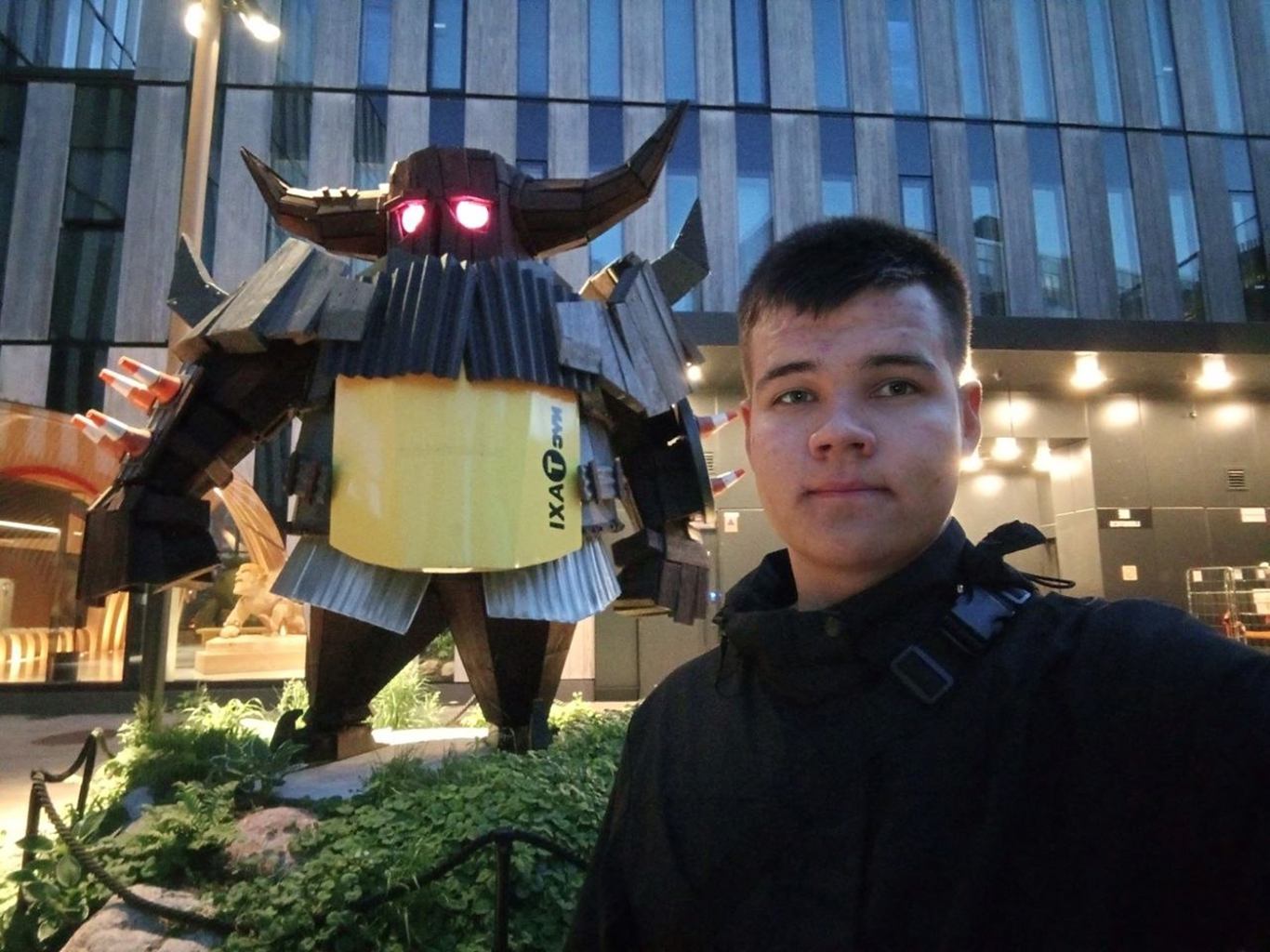
Leaping to freedom
When the war began, Mukhametov was in his second year of technical college where he was studying electrical engineering. Though he had already resolved not to do his military service on moral grounds, he was fast approaching conscription age and his future profession was not one that would exempt him from either conscription or mobilisation.
“It goes against my convictions,” says Mukhametov of serving in the military. “If I object to this war and what my country has started, why should I put myself at risk of ending up on the front line?”
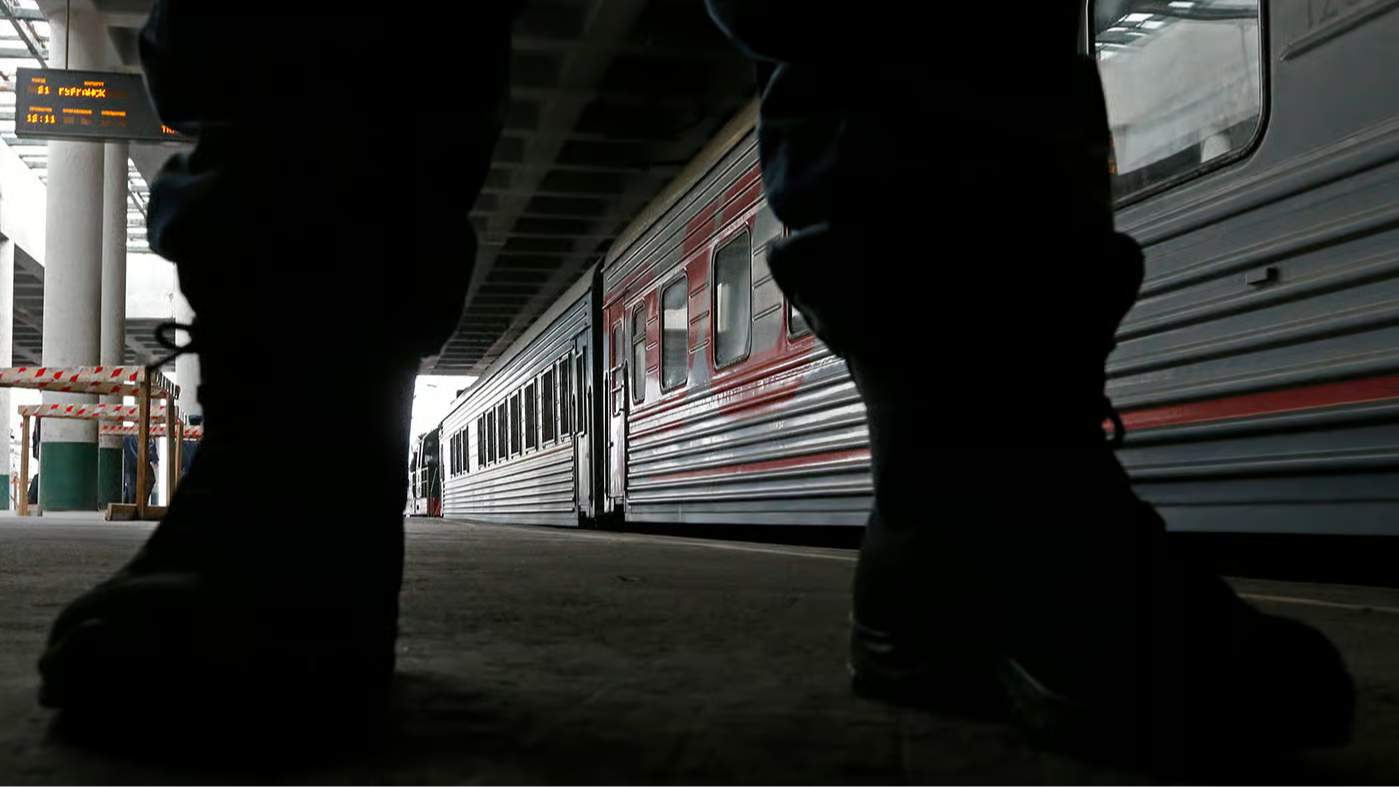
While at college, Mukhametov earned additional cash by working as a train conductor, including on the long-distance Adler–Kaliningrad route, one that passes through Lithuanian territory, between Russia proper and its Baltic exclave. Though Russians have not been allowed to get off the service at any of the stations it serves in Lithuania, even if they have a valid Schengen visa, a Russian citizen can still apply for political asylum in the EU if they manage to leave the train.
It was while working as a conductor that Mukhametov witnessed a Belarusian citizen asking Lithuanian border guards for political asylum. However, as Russians routinely have their asylum claims rejected in Lithuania, Mukhametov didn’t seriously consider this option for himself at first.
Artyom Klyga, a legal expert at the Movement of Conscientious Objectors (MCO), an NGO set up to assist Russians avoid military service, says that as even in its official statements the Lithuanian government rules out granting political asylum to Russian citizens, the MCO “doesn’t recommend that people travel there, or to the Baltic states in general, to seek asylum. Lithuania brings criminal charges against people who cross the border for this purpose.”
Keen to avoid such a fate himself, Mukhametov considered various other ways he could leave the country, and applied for a Turkish residence permit in 2024, though his application was rejected.
“I decided not to pull the emergency brake as it can be very dangerous,” Mukhametov says, explaining his decision to risk jumping from a moving train.
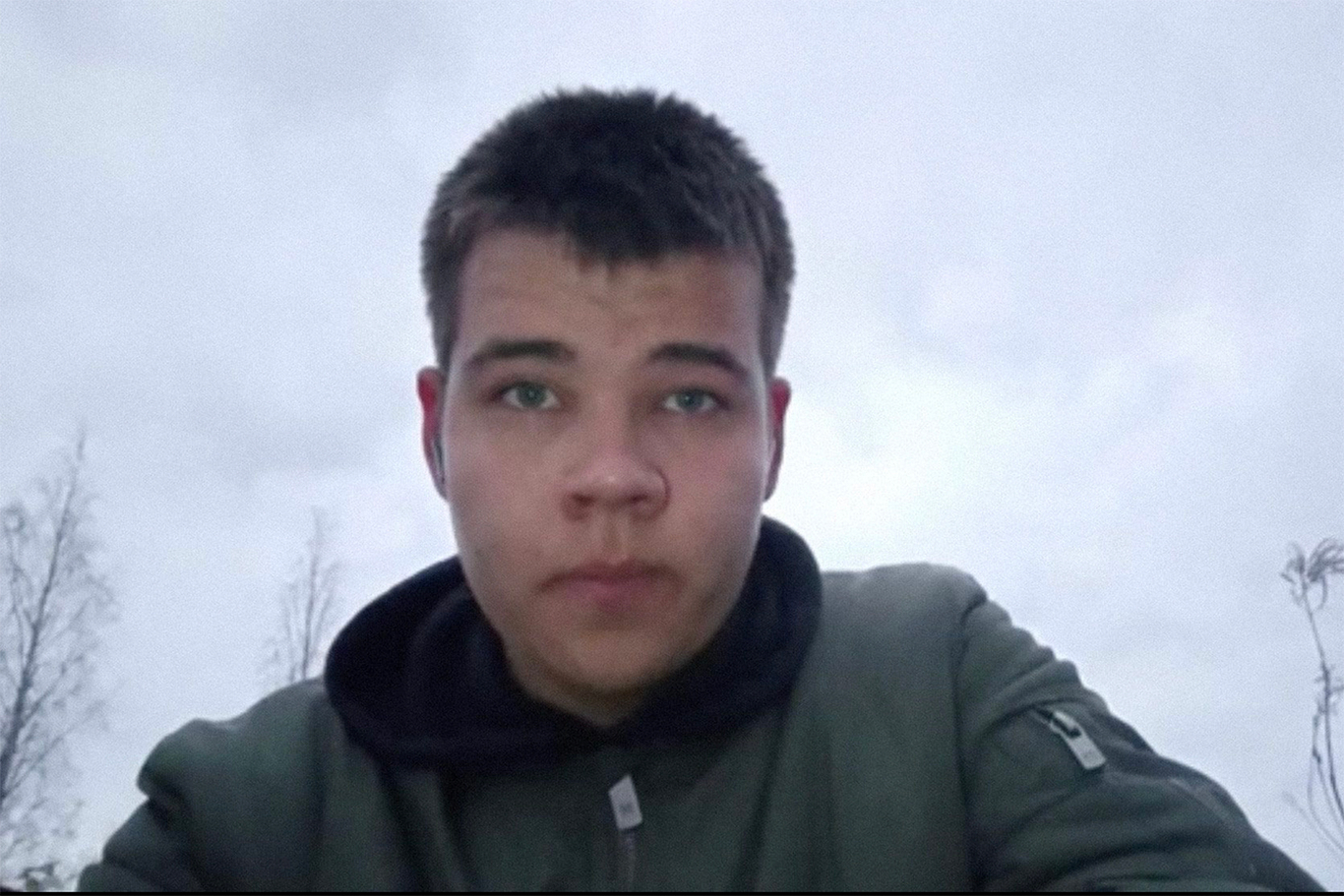
After the military enlistment office informed him he was not allowed to leave Russia, Mukhametov realised that his window to escape was narrowing and that he had to take action quickly. Within two weeks, his plan was in place, and he bought himself a ticket on the Adler–Kaliningrad train with the intention of jumping off it.
As well as several hundred euros in cash, Mukhametov brought with him a key he had purchased online that would open the door of the train carriage. At around 4am on 17 June 2025, when the train was moving at a reasonably slow pace, Mukhametov opened the carriage door and jumped off into a new life.
“I decided not to pull the emergency brake as it can be very dangerous,” Mukhametov told Novaya Europe, explaining his decision to take on the additional safety risk and noting that emergency stops “can damage the train, and somebody could easily fall”. He managed to land without hurting himself.
The lesser of two evils
Lithuanian border guards count the Russian passengers transiting the country en route to Kaliningrad carefully, to ensure that none of them was able to leave the train. Thus, it soon became apparent that Mukhametov had absconded, once a headcount was performed after the conductor noticed the carriage door was open shortly after he jumped.
While Mukhametov was hoping to hitch a lift to the nearest town, reports of a Russian saboteur slipping into the country overnight were soon all over the Lithuanian media, particularly upsetting him when he heard that he faced a steep fine and certain deportation upon capture. “I decided that I would not apply for asylum in Lithuania after all,” he recalls.
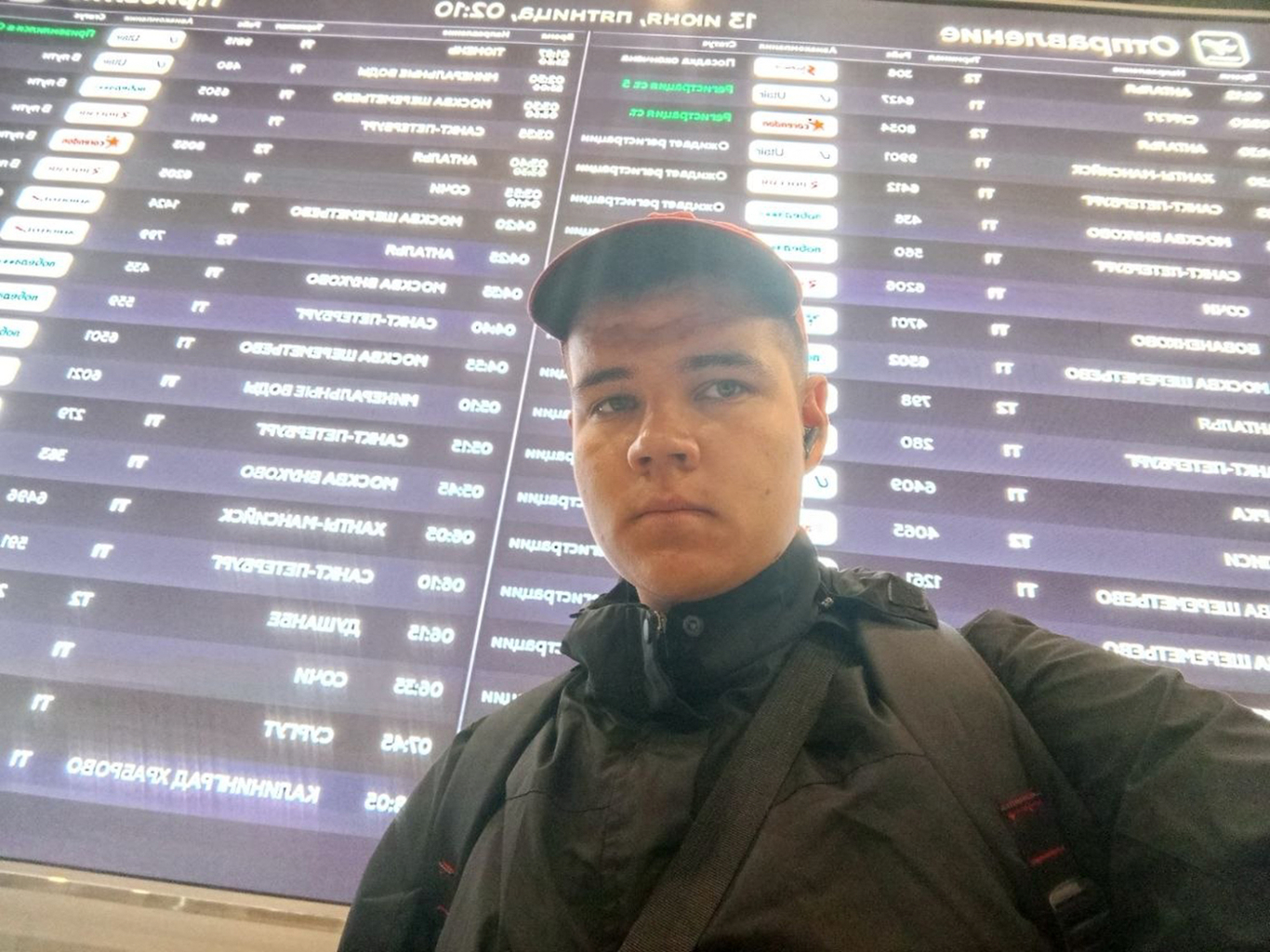
Resolving to apply for asylum in a more friendly country, Mukhametov set off to Finland the same day, hitchhiking and travelling on local trains to reach Estonia, where he boarded the ferry to Helsinki. Upon his arrival in the Finnish capital, Mukhametov went to the police and requested political asylum.
It took the Finnish authorities three months to decide whether they would consider Mukhametov’s asylum application, ultimately deciding not to. The Dublin Regulation requires Mukhametov to seek asylum in the first EU country he entered, namely Lithuania. Mukhametov appealed the Finnish decision and filed a complaint with the European Court of Human Rights, though neither came to anything.
It was during his stay in Finland that Mukhametov began to experience mental health issues, and was prescribed a course of antidepressants. Though he’d been lucky enough to avoid a protracted stay in a refugee centre, being able to stay with people he’d met, the precarity of his situation — knowing that he could be deported to Lithuania at any moment — began to take its toll.
Nevertheless, after extensive research into which countries would potentially exempt him from being returned to his point of first entry to the EU, and ultimately be most likely to grant him political asylum, Mukhametov determined that his best chances lay in France, and so in January he hitchhiked his way from Helsinki to Paris, reapplied for asylum, and was then placed in a temporary detention centre near Strasbourg.
Vive la différence
“I think I have a chance of a fair hearing in France. There isn’t the same level of discrimination against Russians here as in the Baltic states or Finland,” says Mukhametov. “All the arguments have already been put forward, and the appeal has been lodged. My planning horizon is very short, so I’ll just have to wait for the outcome.”
“I think the chances of a successful appeal are quite low,” says Klyga, who is handling the case for the MCO, adopting a rather less optimistic tone than Mukhametov, before adding that “France could easily recognise Lithuania as a safe country and send Daniil there for his asylum application to be considered.”
That said, in practice France rarely deports asylum seekers to third countries. Data from 2024 shows that of the nearly 32,000 asylum seeker transfer requests made to the French authorities, just 2,600 of them were ultimately approved.
Aware of these figures and conscious of the fact that so much of what happens next in his life is entirely beyond his control, Mukhametov says that he is now simply waiting for the French authorities to make their decision.
As his asylum seeker status doesn’t allow him to take on any paid work, he currently fills his days with learning French, exploring the local area, and volunteering to help out with minor practical tasks at the centre. Sometimes he’ll go for a swim in a nearby lake with his room mate, a 20-year-old Chechen, or watch the World Cup.
Under the terms of his stay at the refugee centre, Mukhametov is not allowed to leave the region and must report to the police once a week. This is a moot point for the most part anyway, as he hasn’t had a passport since it was confiscated by the Finnish authorities. But when I ask him whether he has ever regretted fleeing his homeland, he says he has not, before explaining that “remaining in Russia in 2025 would have been far more frightening”.