Occupation authorities impose fuel rationing in Crimea after Ukrainian strikes trigger shortage

Ukrainian strikes on the main road connecting Russia's Rostov-on-Don to annexed Crimea have prompted Russian occupation authorities to introduce fuel rationing across the peninsula beginning 31 May.
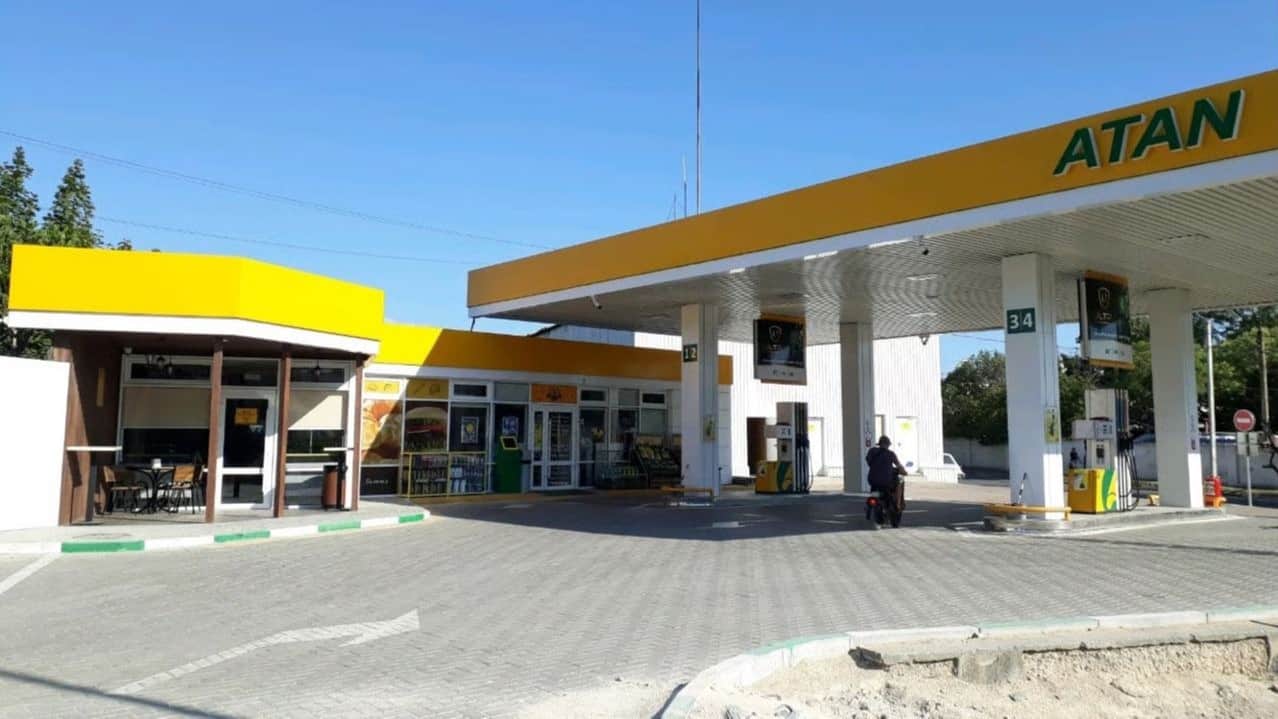
According to Sergey Aksyonov, the Moscow-installed head of Crimea, 95-octane gasoline will be reserved primarily for municipal and public transport, while ATAN and TES filling stations will sell gas exclusively for vouchers. Sales of 92-octane fuel will be capped at 20 litres per vehicle, and filling portable containers will be prohibited.
Aksyonov stated that he anticipates the situation to normalise within 30 days.
Mikhail Razvozhaev, the Russian-installed governor of Sevastopol, said the rationing was necessary to allow station reserves to be replenished.
The new measures build on restrictions already introduced the previous day, when occupation authorities imposed a 20-litre daily cap on 95-octane sales. The announcement quickly sparked long queues at gas stations across the region.
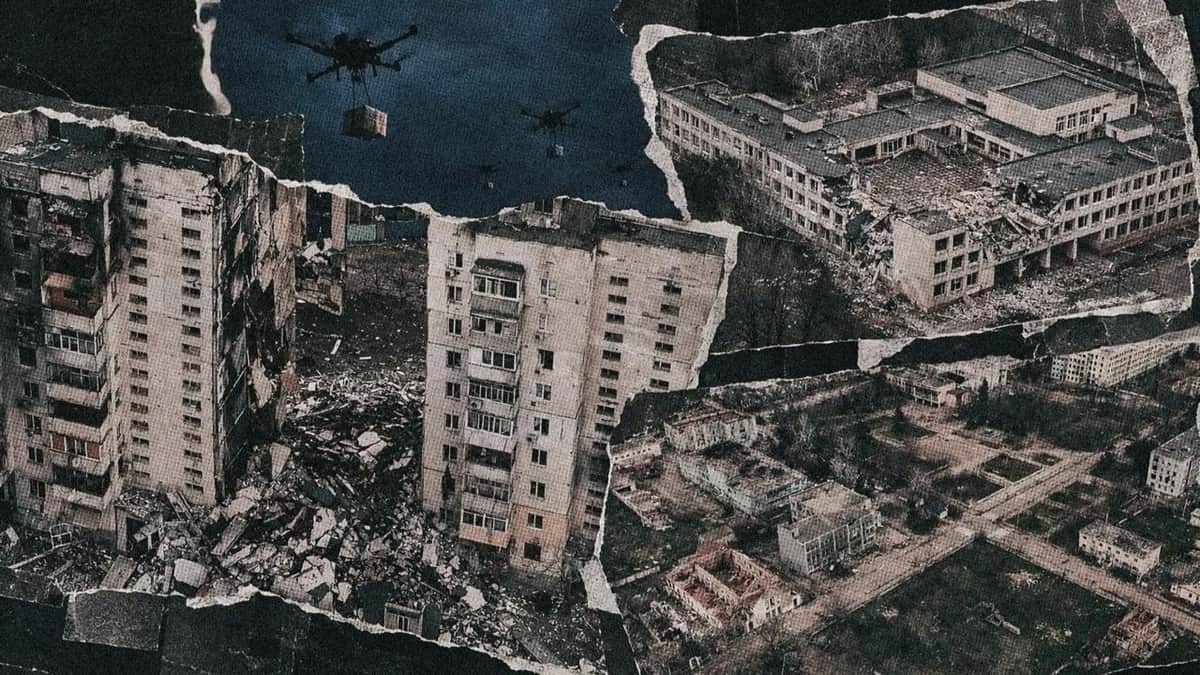
According to Yevgeny Balitsky, the Russian-installed head of the occupied portion of Ukraine's Zaporizhzhia region, Ukrainian forces have been remotely mining the road using drones that drop explosive devices that detonate when they detect movement.
On 20 May, Reuters reported that “virtually all major oil refineries in central Russia” had been forced to suspend or scale down fuel production due to Ukrainian drone strikes.